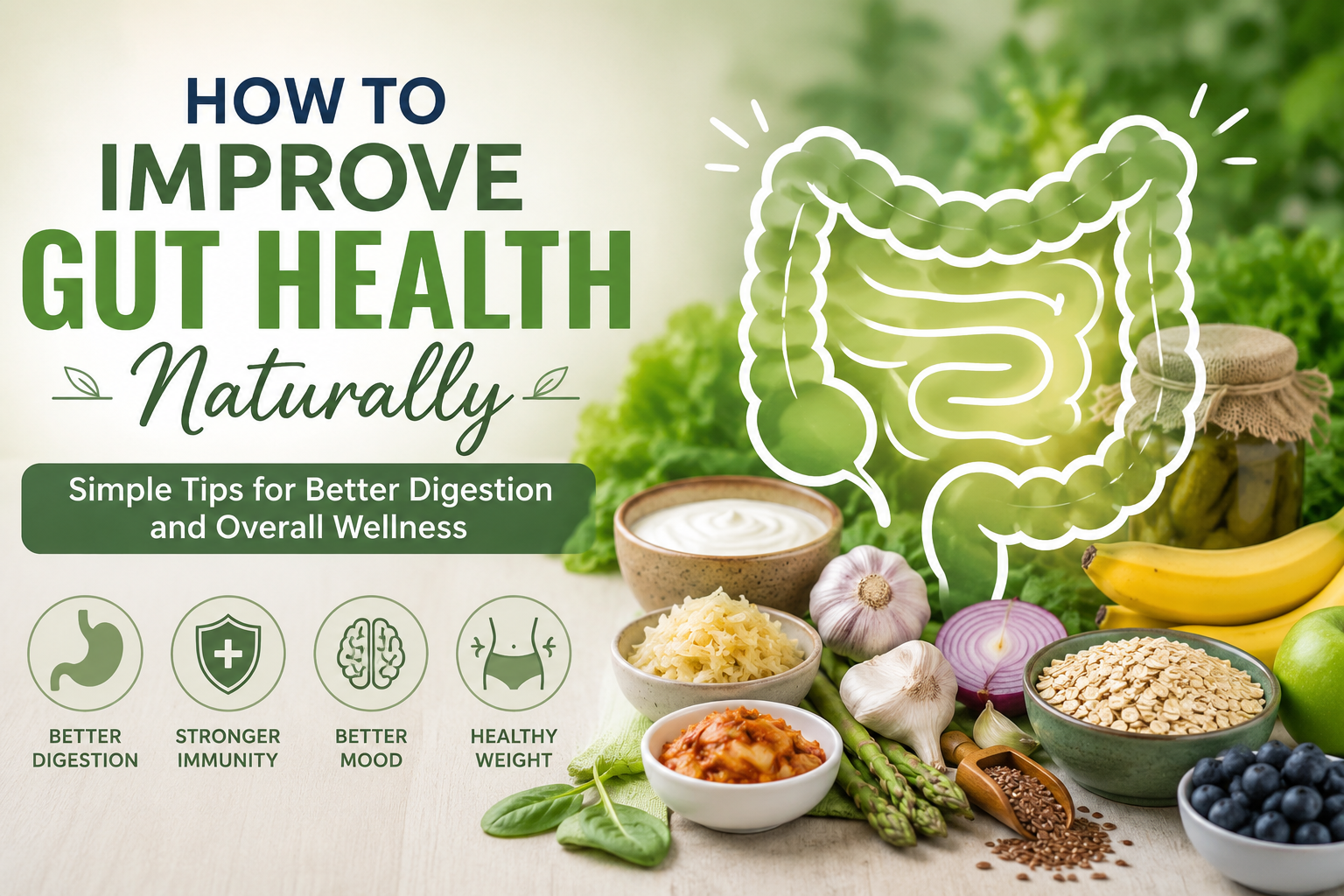
Good health of your intestines is currently one of the most discussed issues since it is impossible to ignore its significance. Apart from aiding your body in digestion, it has a direct effect on your immune system, mental functions, metabolic rate, and overall well-being.Numerous people face different problems concerning digestion, such as bloating, indigestion, constipation, or abdominal pain, yet few realize that these issues can result from bad intestinal health. Nevertheless, this condition can easily be improved by making some changes to your dietary and lifestyle routines.In this guide, you’ll learn how to improve gut health naturally, the signs of an unhealthy gut, and practical steps you can take to support a healthier digestive system.
What Is Gut Health?
Gut health refers to the balance and function of microorganisms living in your digestive tract, collectively known as the gut microbiome. These bacteria, fungi, and other microbes help digest food, absorb nutrients, produce vitamins, and protect your body from harmful pathogens.
A healthy gut contains a diverse range of beneficial bacteria that work together to keep your digestive system functioning properly. When this balance is disrupted, it can lead to digestive problems and other health concerns.
Your body always gives signals that tell you when your digestive system is not working well. The symptoms are:
- Bloating
- Diarrhea or constipation
- Gas
- Acid indigestion
- Intolerance to certain foods
- Fatigue for no reason
- Skin issues like pimples or eczema
- Regularly getting ill because of lowered immunity
- Mood swings or feeling anxious
When you have a lot of these symptoms, it may be time to focus on improving your gut health.
Why Gut Health Matters
The gut is often referred to as the “second brain” due to its close relation to overall well-being and health. Studies reveal that good gut health promotes overall health.
- Enhance digestive processes and proper assimilation of nutrients
- Boost the immune system
- Increase energy levels
- Ensure healthy body weight
- Maintaining your gut is one of the most efficient methods of improving your overall health.
How to improve gut health naturally - 1. Eat More Fiber-Rich Foods
This is an important nutrient in promoting good digestive health. It serves as a food source to good bacteria in the gut and facilitates proper bowel movement.
Foods that contain high amounts of fiber include:
- Fruits like apples, pears, and berries
- Vegetables such as broccoli, carrots, and spinach
- Grains including oats and brown rice
- Legumes such as beans and lentils
- Nuts and seeds
You need to eat this kind of food daily for breakfast, lunch, and dinner to improve gut health.
2. Include Probiotic Foods in Your Diet
A “probiotic” is a useful microorganism which contributes in achieving proper balance in your digestive system.
Below are some of the highest nutritional probiotic sources:
- Yogurt containing live cultures
- Kefir
- Kimchi
- Sauerkraut
- Miso
- Vegetables fermented through the process of lacto-fermentation
These foods can help in growing healthy bacteria in the gut.
3. Feed Your Gut with Prebiotic Foods
“Prebiotics” refer to food fiber substances that feed good bacteria in the gut.
Healthy prebiotic foods are:
- Garlic
- Onions
- Bananas
- Asparagus
- Oats
- Chicory roots
The combination of probiotics and prebiotics is the best way to promote gut health.
4. Stay Properly Hydrated
Water plays a significant role in proper functioning of the digestive system. The proper intake of this substance enhances digestion by promoting the movement of food through the digestive tract.
The recommended amount of water that most people should drink daily ranges from 2 to 3 liters.
However, those living in hot conditions or who exercise quite often will require even more fluids daily.
5. Reduce Ultra-Processed Foods
Highly processed foods often contain excessive sugar, unhealthy fats, and artificial additives that may negatively affect the gut microbiome.
Try limiting:
- Sugary drinks
- Packaged snacks
- Fast food
- Processed meats
- Excessive sweets
Instead, focus on whole, nutrient-dense foods that support digestive health.
6. Manage Stress Levels
Stress is not only experienced mentally but also physically, especially within the digestive system.
Examples of problems caused by stress include:
- Bloating
- Abdominal pain
- Digestive changes
- Increased inflammation
Some healthy ways to manage stress are through:
- Meditation
- Breathing techniques
- Yoga
- Taking walks outside
- Spend quality time with family and friends
Even 10-15 minutes a day can benefit both your mind and gut.
7. Prioritize Quality Sleep
Poor sleep can disrupt the balance of gut bacteria and negatively affect digestion.
To improve sleep quality:
- Maintain a consistent sleep schedule
- Avoid screens before bedtime
- Limit caffeine in the evening
- Keep your bedroom cool and comfortable
Most adults should aim for 7–9 hours of quality sleep each night.
8. Exercise Regularly
Exercise aids in digestion and helps maintain a healthy gut flora.
This does not mean that you have to engage in strenuous physical activities to gain health benefits; rather, just simple activities like the following:
- Walking
- Cycling
- Swimming
- Yoga
can positively impact gut health when performed consistently.
Experts generally recommend at least 150 minutes of moderate exercise per week.
9. Avoid Unnecessary Antibiotic Use
Although antibiotics can prove crucial in certain instances, they might decrease the healthy gut bacteria.
It is always advisable to take them only if prescribed by your health provider. Once you complete the dosage of antibiotics, try consuming probiotic foods.
10. Eat a Variety of Plant-Based Foods
According to scientific evidence, the consumption of a wider range of foods helps maintain a diversified gut microbiome.
Here are some types of plants you can consider:
- Fruits
- Vegetables
- Grains
- Nuts
- Seeds
- Beans
throughout the week.
The greater the variety of plant foods you consume, the more diverse and resilient your gut bacteria are likely to become.
Foods That Support Gut Health
Here are some of the best foods for a healthy digestive system:
| Food | Benefit |
|---|---|
| Yogurt | Contains probiotics |
| Oats | Rich in prebiotic fiber |
| Bananas | Supports beneficial bacteria |
| Garlic | Natural prebiotic source |
| Lentils | High in fiber |
| Berries | Rich in antioxidants |
| Kimchi | Fermented probiotic food |
| Spinach | Supports digestive health |
Foods to Limit for Better Gut Health
Consider reducing your intake of:
- Excessive sugar
- Artificial sweeteners
- Fried foods
- Highly processed snacks
- Excessive alcohol
- Sugary beverages
These foods may negatively affect the balance of gut bacteria and contribute to digestive discomfort.
Frequently Asked Questions
How long does it take to improve gut health?
Many people notice improvements within a few weeks of adopting healthier habits, although significant changes to the gut microbiome may take several months.
Are probiotics necessary for everyone?
Not necessarily. Many people can support gut health through a balanced diet rich in fiber and fermented foods.
Can poor gut health affect mental health?
Yes. The gut and brain are closely connected through the gut-brain axis. An unhealthy gut may contribute to stress, anxiety, and mood changes.
Final Thoughts
Learning how to boost your gut health using natural methods is the single most valuable investment that you can make into your future health. The benefits of good gut health go beyond just digestion and include boosting immune function, energy production, and even mental well-being.
Make sure to take gradual steps such as consuming more dietary fiber, adding probiotic foods into your diet, ensuring adequate hydration, engaging in exercise, and reducing stress. Gradually, these steps can lead to healthier gut bacteria and an improved state of health.
It’s important to know that good health comes from a good gut
Read the latest blog here
15 Best Foods for Sustained Energy Throughout the Day and Improving Daily Stamina