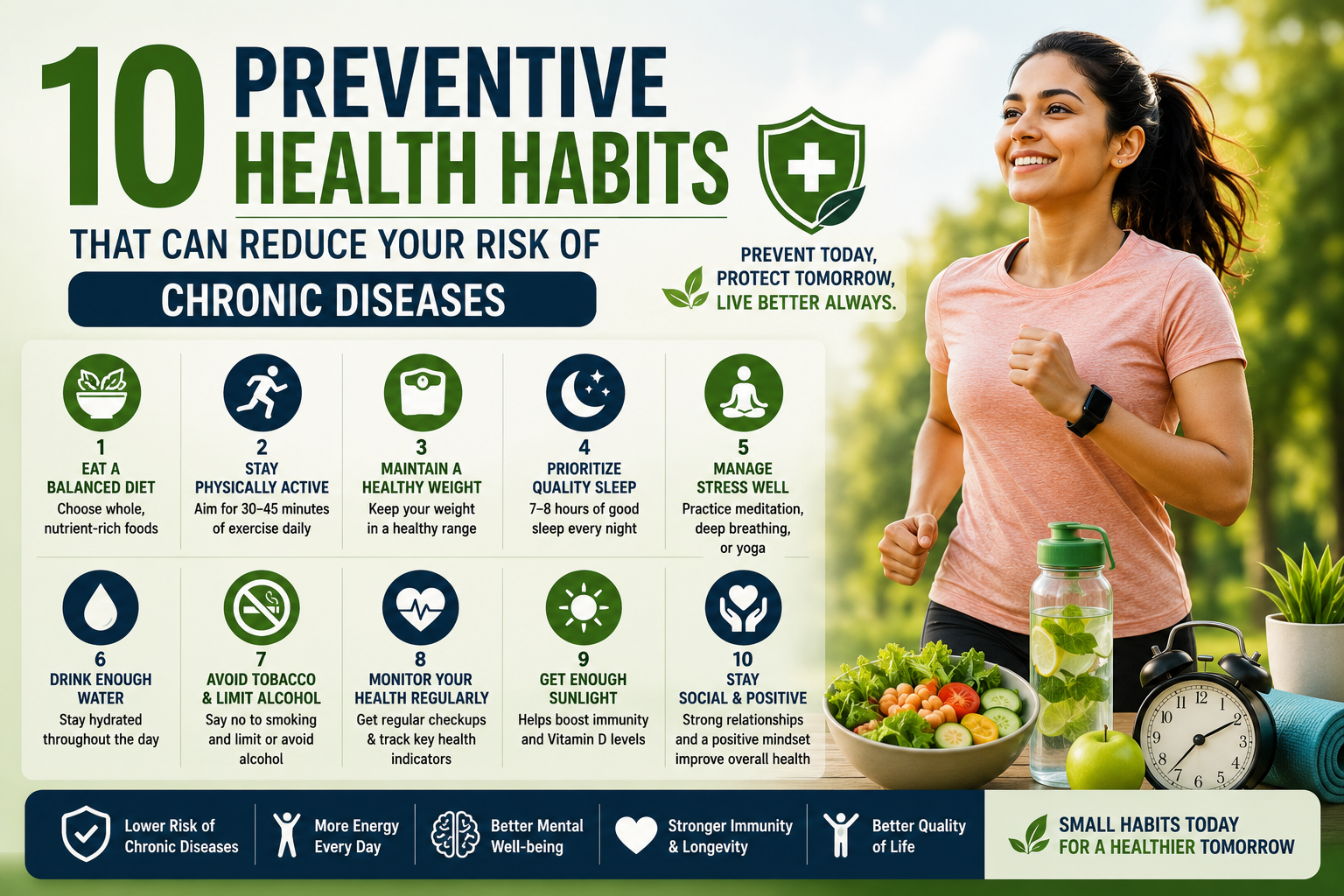
Chronic diseases such as heart disease, type 2 diabetes, obesity, and certain cancers are among the leading causes of death worldwide. The good news is that many of these conditions are largely preventable. Research consistently shows that adopting simple, consistent preventive health habits can dramatically lower your risk of developing long-term illnesses and help you live a longer, healthier, and more energetic life.
In this article, we’ll explore ten science-backed preventive health habits that you can start incorporating into your daily routine. These habits are practical, sustainable, and designed to fit into even the busiest lifestyles.
1. Eat a Balanced, Nutrient-Rich Diet
One of the most powerful preventive health habits is maintaining a balanced diet rich in whole foods. Fruits, vegetables, whole grains, lean proteins, and healthy fats provide your body with the nutrients it needs to function optimally and fight off disease.
Diets high in processed foods, added sugars, and unhealthy fats are linked to obesity, type 2 diabetes, heart disease, and certain cancers. On the other hand, a diet rich in fiber, antioxidants, and essential vitamins helps regulate blood sugar, reduce inflammation, and support a healthy weight.
Practical tip: Try the “plate method”—fill half your plate with vegetables, a quarter with lean protein, and a quarter with whole grains or starchy vegetables.
2. Stay Physically Active Every Day
Regular physical activity is one of the most effective preventive health habits for reducing chronic disease risk. Exercise helps control weight, strengthens the cardiovascular system, improves insulin sensitivity, and boosts mental health.
Health experts generally recommend at least 150 minutes of moderate-intensity aerobic activity per week, combined with strength training exercises at least twice a week. This doesn’t mean you need to spend hours at the gym—brisk walking, cycling, swimming, or even gardening can count toward your weekly activity goals.
Practical tip: Break activity into smaller chunks throughout the day, such as three 10-minute walks, if a longer session feels overwhelming.
3. Prioritize Quality Sleep
Sleep is often overlooked, but it plays a crucial role in disease prevention. Poor sleep quality and insufficient sleep duration have been linked to an increased risk of obesity, diabetes, high blood pressure, and weakened immune function.
During sleep, your body repairs tissues, regulates hormones, and consolidates memories. Adults should aim for 7 to 9 hours of quality sleep each night.
Practical tip: Establish a consistent sleep schedule, limit screen time before bed, and create a cool, dark, and quiet sleep environment to improve sleep quality.
4. Manage Stress Effectively
Chronic stress triggers the release of hormones like cortisol, which, over time, can contribute to high blood pressure, weakened immunity, digestive issues, and an increased risk of heart disease. Learning to manage stress is therefore an essential preventive health habit.
Techniques such as deep breathing, meditation, yoga, journaling, and spending time in nature can help reduce stress levels. Building strong social connections and setting realistic boundaries at work and home also play a significant role in stress management.
Practical tip: Practice five minutes of mindful breathing each morning to set a calm tone for the day.
5. Avoid Tobacco and Limit Alcohol Consumption
Smoking and excessive alcohol consumption are two of the most significant risk factors for chronic diseases, including cancer, heart disease, liver disease, and respiratory conditions. Avoiding tobacco entirely and limiting alcohol intake are critical preventive health habits.
If you currently smoke, quitting—even later in life—can significantly reduce your risk of disease over time. Similarly, sticking to recommended alcohol guidelines (or abstaining altogether) can protect your liver, heart, and overall health.
Practical tip: If quitting smoking feels overwhelming, seek support through counseling, nicotine replacement therapy, or local cessation programs.
6. Maintain a Healthy Body Weight
Carrying excess body weight, particularly around the abdomen, is strongly associated with an increased risk of type 2 diabetes, heart disease, certain cancers, and joint problems. Maintaining a healthy weight through a combination of balanced nutrition and regular exercise is one of the most impactful preventive health habits you can adopt.
It’s important to note that healthy weight management isn’t about extreme dieting or rapid weight loss. Sustainable, gradual changes to eating habits and activity levels tend to produce more lasting results.
Practical tip: Focus on building habits rather than chasing numbers on a scale—small, consistent changes add up over time.
7. Stay Hydrated
Drinking enough water supports nearly every function in your body, from digestion and nutrient absorption to temperature regulation and joint lubrication. Chronic dehydration can contribute to kidney problems, urinary tract issues, and even cardiovascular strain.
While individual hydration needs vary based on activity level, climate, and body size, a general guideline is to drink water consistently throughout the day and pay attention to thirst cues.
Practical tip: Keep a reusable water bottle with you and aim to drink a glass of water before each meal.
8. Schedule Regular Health Screenings
Preventive health habits aren’t limited to lifestyle changes—routine health screenings are equally important. Regular check-ups can detect early warning signs of chronic conditions such as high blood pressure, high cholesterol, diabetes, and certain cancers before symptoms appear.
Early detection often makes treatment more effective and less invasive. Depending on your age, gender, and family history, your doctor may recommend screenings for blood pressure, cholesterol, blood sugar, cancer markers, and bone density.
Practical tip: Keep a calendar of recommended screening intervals based on your healthcare provider’s guidance, and don’t skip annual check-ups.
9. Build and Maintain Social Connections
Social isolation and loneliness have been linked to a higher risk of heart disease, depression, cognitive decline, and even premature death. Strong social relationships, on the other hand, are associated with better mental health, lower stress levels, and improved immune function.
Maintaining meaningful relationships with family, friends, and community groups can be considered a preventive health habit in its own right, as it supports both emotional and physical well-being.
Practical tip: Make time for regular social activities, whether it’s a weekly phone call with a friend, a community group, or shared meals with family.
10. Practice Good Hygiene and Preventive Care
Simple hygiene practices—such as regular handwashing, dental care, and skin protection—play a significant role in preventing infections and chronic conditions. Poor oral hygiene, for example, has been linked to cardiovascular disease, while inadequate sun protection increases the risk of skin cancer.
Vaccinations also fall under preventive care and are essential for protecting against various infectious diseases that can lead to long-term complications.
Practical tip: Brush and floss daily, wear sunscreen when outdoors, and stay up to date with recommended vaccinations.
Final Thoughts
Reducing your risk of chronic diseases doesn’t require drastic lifestyle overhauls. By gradually incorporating these ten preventive health habits—balanced nutrition, regular exercise, quality sleep, stress management, avoiding harmful substances, maintaining a healthy weight, staying hydrated, attending regular screenings, nurturing relationships, and practicing good hygiene—you can build a strong foundation for long-term health.
Small, consistent changes often lead to the most sustainable results. Start with one or two habits that feel most achievable, and build from there. Over time, these preventive health habits can significantly lower your risk of chronic disease and improve your overall quality of life.
Disclaimer: This article is for informational purposes only and does not constitute medical advice. Please consult a healthcare professional before making significant changes to your diet, exercise routine, or health regimen.
Read the latest blog here
Healthspan vs Lifespan: Why Healthy Aging Matters More Than Living Longer in 2026