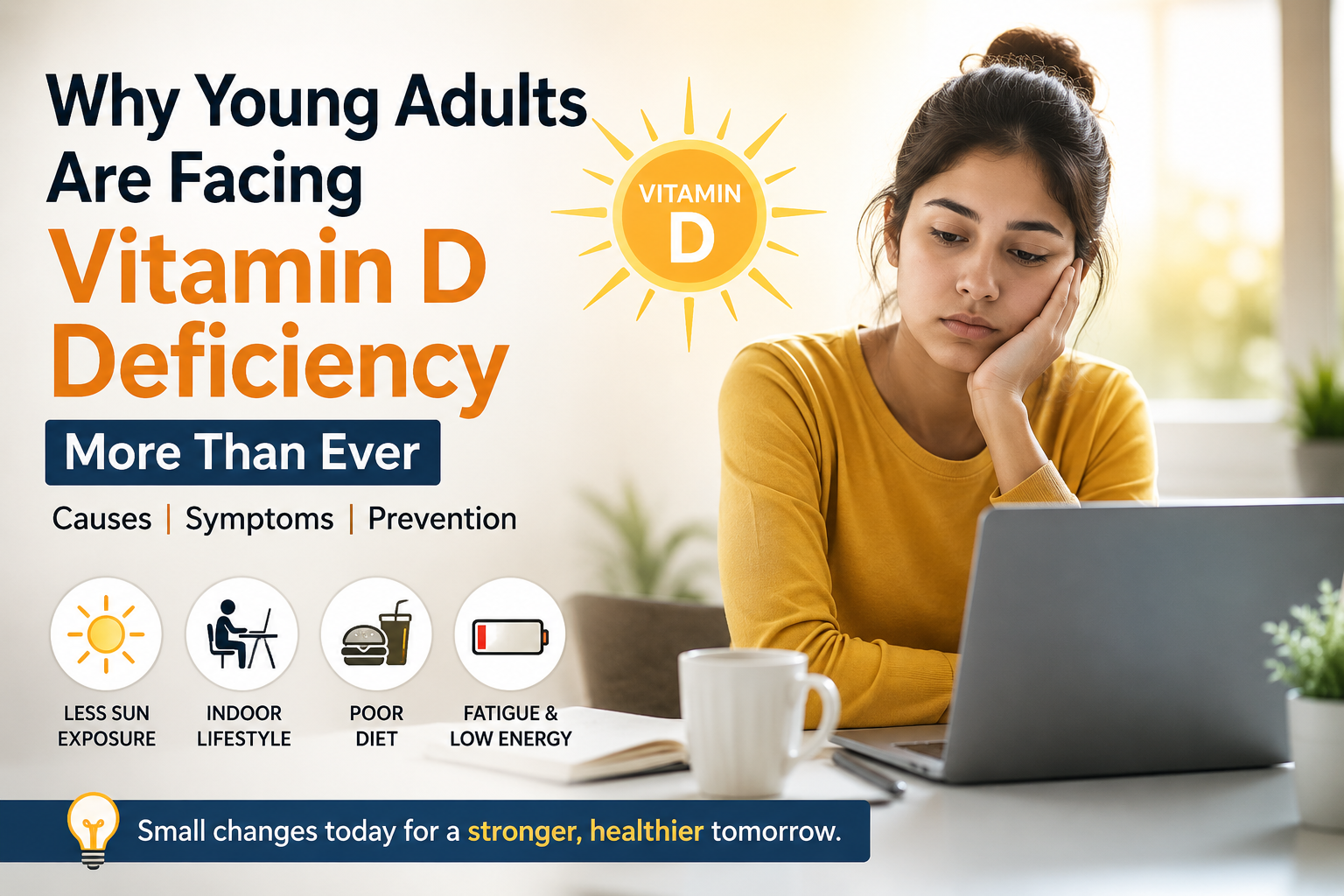
Vitamin D deficiency has been increasingly becoming an issue of concern recently, particularly for the younger generation. Surprisingly, even though there is advanced health care provision and nutritional advice available for all today, young adults are developing vitamin D deficiency. The situation might look quite surprising as vitamin D has been described as the sunshine vitamin, and one could easily obtain it from spending time under the sun in sunny countries.However, modern living has led to a reduction in outdoor activity as well as poor dietary choices, resulting in reduced vitamin D levels in the blood. It is important to know about why vitamin D deficiency is increasing in young adults to protect your future health status.
What Is Vitamin D and Why Is It Important?
Vitamin D is an important fat-soluble vitamin that plays a vital role in several physiological functions. The function of vitamin D is to help absorb the calcium and phosphate needed for the development of strong bones and teeth. In addition to the health of your bones and teeth, the other functions of vitamin D include:
The immune system
- Muscles
- The brain
- Mood
- Heart
Its deficiency causes various disorders in the body.
Why Vitamin D Deficiency Is Increasing in Young Adults
Several modern lifestyle factors are contributing to the rise of vitamin D deficiency among young adults.
1. More Time Spent Indoors
One of the main factors that cause vitamin D deficiency to increase in young adults is the tendency to lead indoor lifestyles. Many young individuals are working inside the office, studying at home, or spending hours in front of computers and cell phones.
They usually go out from their homes very early in the morning and come back just after sunset. This reduces their exposure to sunlight, which serves as a main provider for vitamin D.
2. Excessive Screen Time
The information age has changed the way people work, study, and play. Young people nowadays use laptop computers, mobile phones, tablets, and video games for a number of hours daily.
More screen time means less time spent outdoors. Less exposure to the sun results in fewer vitamin D levels.
3. Increased Use of Sunscreen
Although sunscreens play a vital role in protecting your skin from harmful UV rays, the use of too much sunscreen can limit the production of vitamin D.
People tend to use high SPF sunscreen when going out to prevent damage from ultraviolet B (UVB) rays.
4. Poor Dietary Habits
Fast food, processed snacks, sugary drinks, and highly refined foods have become common parts of modern diets.
Unfortunately, these foods provide very little vitamin D. Natural dietary sources of vitamin D include:
- Fatty fish
- Egg yolks
- Fortified milk
- Mushrooms
- Fortified cereals
Many young adults do not consume enough of these foods regularly.
5. Urban Living and Air Pollution
Urbanization is one more contributor to the problem. High-rises and air pollution can decrease the exposure to sunlight.
Scientists claim that air pollution can prevent the entry of UVB rays, hindering vitamin D synthesis even in clear weather conditions.
6. Weight Gain and Obesity
The prevalence of obesity amongst young adults has become more common worldwide. Fat cells store vitamin D. Too many fat cells in the body can decrease the availability of vitamin D.
This implies that obese people need larger amounts of vitamin D to ensure adequate concentrations in the blood.
Common Symptoms of Vitamin D Deficiency
Vitamin D deficiency often develops gradually, and symptoms can be subtle at first.
Common signs include:
- Persistent fatigue
- Muscle weakness
- Bone pain
- Frequent illness or infections
- Mood changes
- Low energy levels
- Difficulty concentrating
- Hair loss
- Back pain
Many people ignore these symptoms or attribute them to stress and busy schedules.
Health Risks Associated With Vitamin D Deficiency
If left untreated, vitamin D deficiency can lead to several health complications.
Weak Bones and Increased Fracture Risk
Vitamin D aids in calcium absorption. The absence of adequate vitamin D means that bones become frail and fracture easily.
Reduced Immune Function
Research indicates that insufficient vitamin D can weaken the body’s immune system, leading to an increased risk of infections.
Mental Health Concerns
Researchers have found associations between low vitamin D levels and mental health issues such as anxiety, depression, and mood disorders.
Muscle Weakness
Vitamin D supports proper muscle function. Deficiency may cause weakness, discomfort, and reduced physical performance.
Long-Term Chronic Disease Risk
Recent studies have indicated that a deficiency in vitamin D may result in higher risks of:
- Heart disease
- Diabetes type 2
- Some autoimmune diseases
While further studies are still under way, ensuring that one has enough vitamin D is essential for good health.
How Young Adults Can Improve Their Vitamin D Levels
The good news is that vitamin D deficiency can often be prevented and corrected through lifestyle changes.
Get Safe Sun Exposure
Spending time outdoors is one of the most effective ways to increase vitamin D production.
Experts generally recommend:
- 10–30 minutes of sunlight exposure
- Several times per week
- Exposing arms, legs, or face when possible
The exact amount depends on skin tone, location, and season.
Eat More Vitamin D-Rich Foods
Include foods such as:
- Salmon
- Tuna
- Sardines
- Egg yolks
- Fortified dairy products
- Mushrooms exposed to sunlight
A balanced diet can help support healthy vitamin D levels.
Stay Physically Active Outdoors
Outdoor activities offer a double benefit by increasing sunlight exposure and improving overall fitness.
Examples include:
- Walking
- Cycling
- Jogging
- Yoga in the park
- Outdoor sports
Consider Vitamin D Supplements
Other people might find themselves incapable of meeting their vitamin D requirement through exposure to sun and foods.
For them, a doctor could advise them on taking supplements of vitamin D after undergoing tests.
Get Your Levels Checked
A single blood test is enough to check for vitamin D levels.
People who are young and feel tired or weak and/or have other health problems should think about getting a test for their vitamin D levels.
Final Thoughts
There is an increase in vitamin D deficiency amongst young adults owing to several lifestyle-related changes that have occurred due to advancements in technology and other reasons.
Knowing about the causes of vitamin D deficiency is the first step towards avoiding its negative implications on health. With a few modifications in lifestyle such as spending adequate time outside, proper nutrition, exercise, and checking the levels of vitamin D, young adults will be able to achieve healthy bones, strong immunity, sufficient energy, and general well-being.
As our lifestyle continues to change over the years, ensuring a good intake of vitamin D might become one of the easiest ways for long-lasting wellness.
Read the latest blog here
Can Your Smartwatch Save Your Life? The Truth About AI-Powered Health Tracking Devices